Gas detection · Fixed, flame and controllers

Fixed gas detection, flame detection and control systems


Permanently installed detection protects the plant rather than the individual: detectors at the points where a release is expected, wired to a controller and into the plant control system.

How to approach it

The detector follows the release scenario, not the catalogue


A fixed installation is designed from the question of where gas would come from and where it would go. That determines the detection technology — point, open path or ultrasonic — the number and position of the measuring points, the mounting height relative to the density of the gas, and the ventilation assumptions the concept relies on. The equipment list is the last step, not the first.

The second half of the design is the signal path: which controller, how many channels, how the alarm reaches the control room and the field, and how the whole chain is functionally tested at commissioning and again at each maintenance interval.

Detectors, transmitters, flame and controllers

Product pages


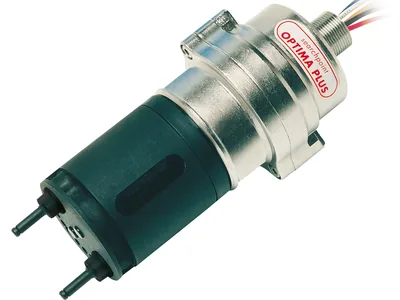
Searchpoint Optima Plus

Searchpoint Optima Plus is an infrared point gas detector designed for hydrocarbon detection in potentially explosive environments — the reference device for permanently installed flammable gas detection where a catalytic sensor would not survive the duty.

Searchpoint Optima Plus in detail

Also in the range

Further fixed detection equipment


RAEGuard 2 PID and Optima Excel Local Display

RAEGuard 2 PID is a fixed photoionisation detector for a broad range of volatile organic compounds. The OELD adds an LCD screen, a traffic-light status indicator and Bluetooth for non-intrusive maintenance.

XPT gas sampling system

Measures toxic and potentially explosive substances where access is difficult, supporting up to two channels configured in series or parallel.

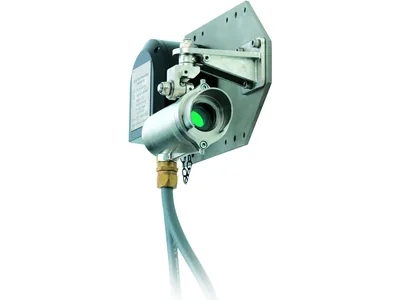
FS20X and FSL100 flame detectors

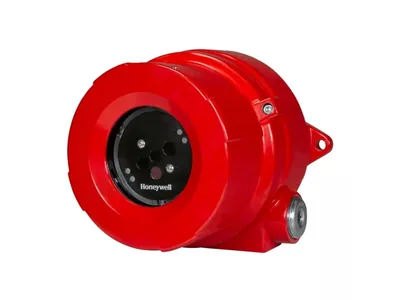
FS20X is a multi-spectrum UV and dual IR/VIS detector with a UV solar-blind sensor. FSL100 covers UV, UVIR and IR3 optical detection for a wide range of hydrocarbon and non-hydrocarbon fires.

Service by VERTEX GmbH

Engineering, installation and the years afterwards


Measuring point concept

Release scenarios, detection technology, number and position of detectors, and the documentation to support the approval.

Engineering

Installation

Mounting, cabling, connection to controller and control system, and functional testing of the complete alarm chain.

EPC

Calibration and maintenance

Scheduled calibration with test gas, sensor replacement, functional testing and a documentation trail that survives an audit.

Calibration

Retrofit

Assessment of installed systems, migration strategy for equipment approaching end of support, staged replacement without losing coverage.

Spare parts

FAQ

Questions about fixed installations


Point detector, open path or ultrasonic — how do we decide?

It depends on how a leak would behave at that location. A point detector such as Searchpoint Optima Plus measures the concentration where it is installed, which works where the release point is known and the gas will accumulate. An open path detector such as Searchline Excel monitors a line of up to several hundred metres and catches a cloud crossing it, which suits perimeters, pipe racks and loading areas. An ultrasonic detector such as Searchzone Sonik reacts to the sound of a pressurised leak instead of the gas itself, which is the answer for well-ventilated outdoor plant. Large installations usually combine two of the three.

Which gas detector is right for hydrogen sulphide in a zone 1 area?

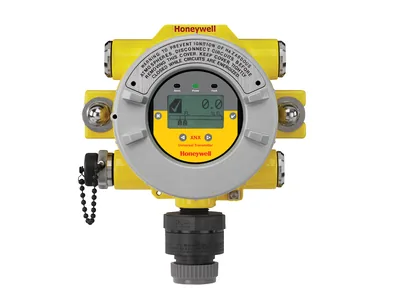
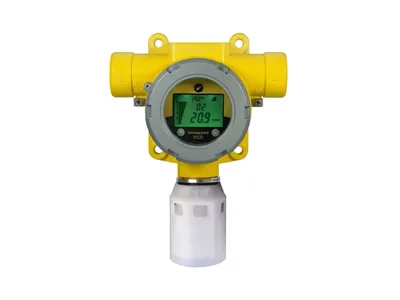
Hydrogen sulphide is normally measured electrochemically, so the question splits into the sensor technology, the transmitter and the equipment approval for the zone. In practice this leads to a transmitter and sensor combination from the Sensepoint XCD or XNX™ families, or to Series 3000 detectors where an intrinsically safe two-wire loop is already installed. The binding selection depends on the alarm thresholds, the ambient conditions and the approval documentation, which we check before quoting.

Can new detectors be connected to an existing controller?

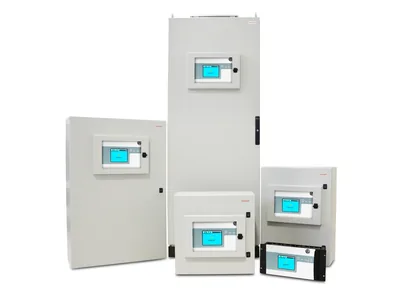
Often yes, and it is usually the cheapest route. It depends on the signal type and the channel count of the installed controller. We check what is installed, what is still supported by the manufacturer, and whether a staged migration — detectors first, controller later — keeps the plant covered throughout.

Does VERTEX GmbH install and commission fixed gas detection?

Yes. Our scope covers the measuring point concept, the equipment supply, mounting and cabling, connection to the controller and the plant control system, functional testing of the whole alarm chain, handover documentation and operator training. Calibration and maintenance continue under a service agreement after handover.


Enquiry

Send us your specification


Send us your requests with technical specifications to receive a prompt reply from our industry specialists. For gas detection, add the gases and the zone classification.

Or by email: purchasing@vertex-group.de